Tidal Weather Windows
Keepers timed lamp checks and supply runs around fog, wind shifts, and fast-moving tides.
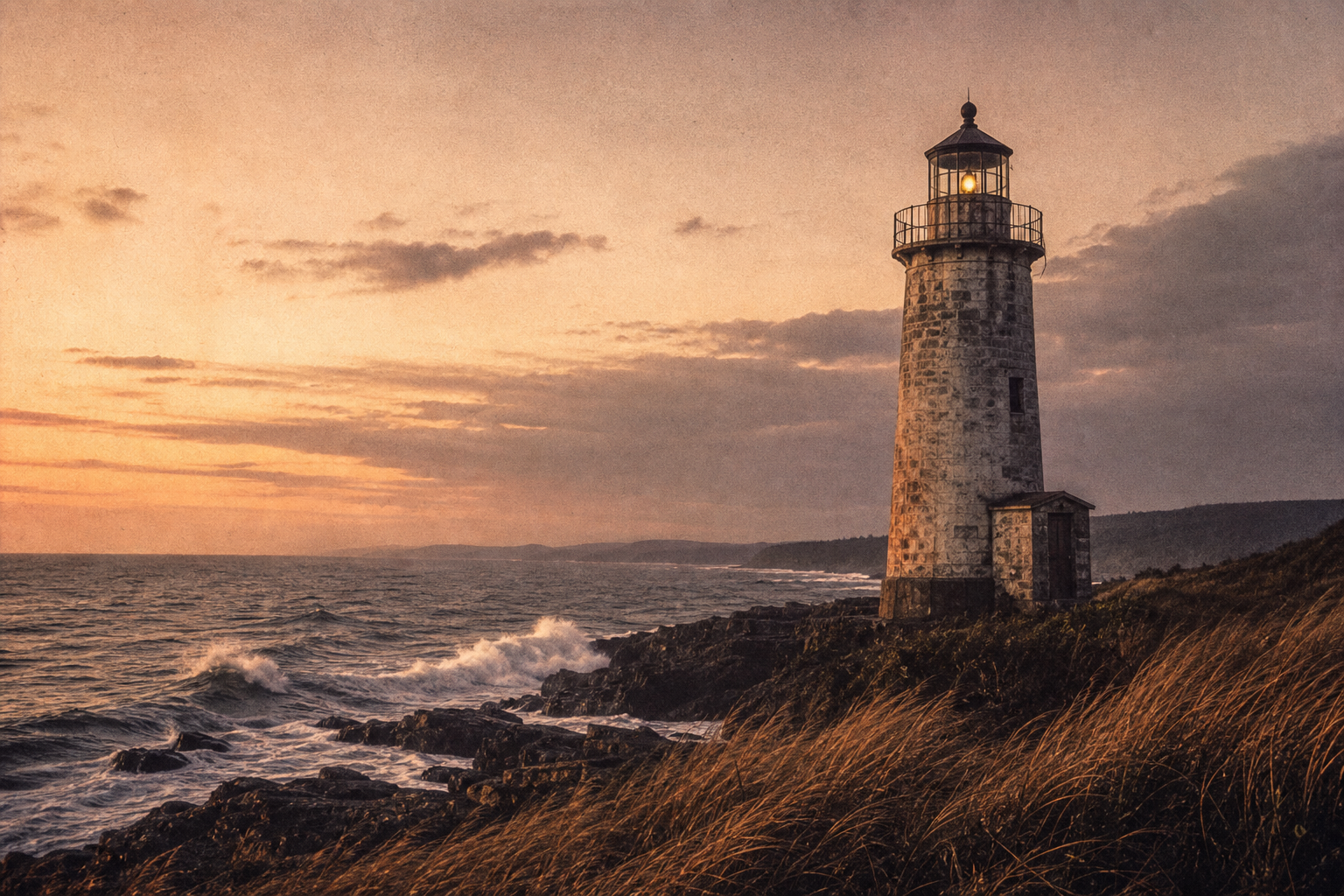
Explore archival imagery, keeper memory, and preserved towers that still mark the edge of the northern sea.
Keepers timed lamp checks and supply runs around fog, wind shifts, and fast-moving tides.
From dusk to dawn, trimmed wicks and polished lenses kept a steady guide for passing vessels.
Each tower filled a gap in visibility, creating a linked route from harbor approaches to open coast.
Today’s restored stations carry local stories of rescue, trade, and everyday life along the shore.
History overview
Built in response to reefs, fog, and growing trade, the coast’s towers formed a practical chain of light and local stewardship. Together they turned a hazardous shoreline into a legible route for mariners.
Phase 1 · Early warnings
Harbor beacons and modest stone towers appeared at dangerous inlets, giving coastal traffic its first reliable night markers.
Phase 2 · System building
Lens upgrades, standardized signals, and keeper housing transformed isolated lights into a coordinated navigation network.
Phase 3 · Preservation era
As automation reduced staffing, communities documented keeper life and protected surviving towers as landmarks of coastal memory.
Continue into the keeper stories to see how daily service shaped local life.
Keeper Stories
Beyond dates and construction records, the towers were lived spaces. These short vignettes trace nightly duty, weather, family rhythm, and the long patience of watchkeeping along the northern coast.
“He checked the wick before sunrise, long before the village smoke rose inland.”
Logs from the 1880s describe a strict dawn sequence: trim lamp glass, inspect oil, and note visibility before tending signal flags for passing craft.
“By midnight the panes shook, but the beam had to sweep true every turn.”
During gale entries, keepers wrote in short, practical lines: wind shift, breaker height, horn intervals, and whether stair railings iced over between rounds.
“Children learned to read by lamp charts while supper cooled beside the coal range.”
Household notes reveal isolation softened by routine—shared meals between watch changes, mending days in fog, and letters carried when supply boats could land.
Preserved Towers
Compare five preserved lights at a glance—where they stand, what they witnessed, and how each tower is being kept in service to local memory.
Northwatch Headland, above the old pilot channel
First lit in 1879 after two winter wrecks, this granite tower became the coast's reference beacon for inbound fishing fleets.
Preservation status: Lantern room restored in 2018; guided interior climbs run seasonally.
Bracken Shoal, west of the tidal narrows
A cast-iron replacement tower from 1896, installed when shifting sandbars made the earlier timber beacon unreliable.
Preservation status: Exterior shell conserved; viewing platform open daily.
Old Quay entrance, River Glen estuary
Built in 1864 to mark a narrow harbor turn, this compact light is known for keeper logbooks noting fog-bell duty in gales.
Preservation status: Keepers' cottage stabilized; tower exterior fully accessible.
Fencliff Marsh edge, east shipping lane
Raised in 1903 on piled foundations above salt flats, it helped steam packets clear shallow channels at low tide.
Preservation status: Foundation reinforcement completed; occasional heritage openings.
Stormhaven Bluff, north of Cape Mile 42
Commissioned in 1888 after telegraph reports of frequent cliffside fog, this station coordinated with nearby signal huts.
Preservation status: Optic preserved in local trust care; coastal path access year-round.
Continue along the route map in coastline highlights and browse the archive gallery to trace each preserved site in context.
Archive Photo Feature
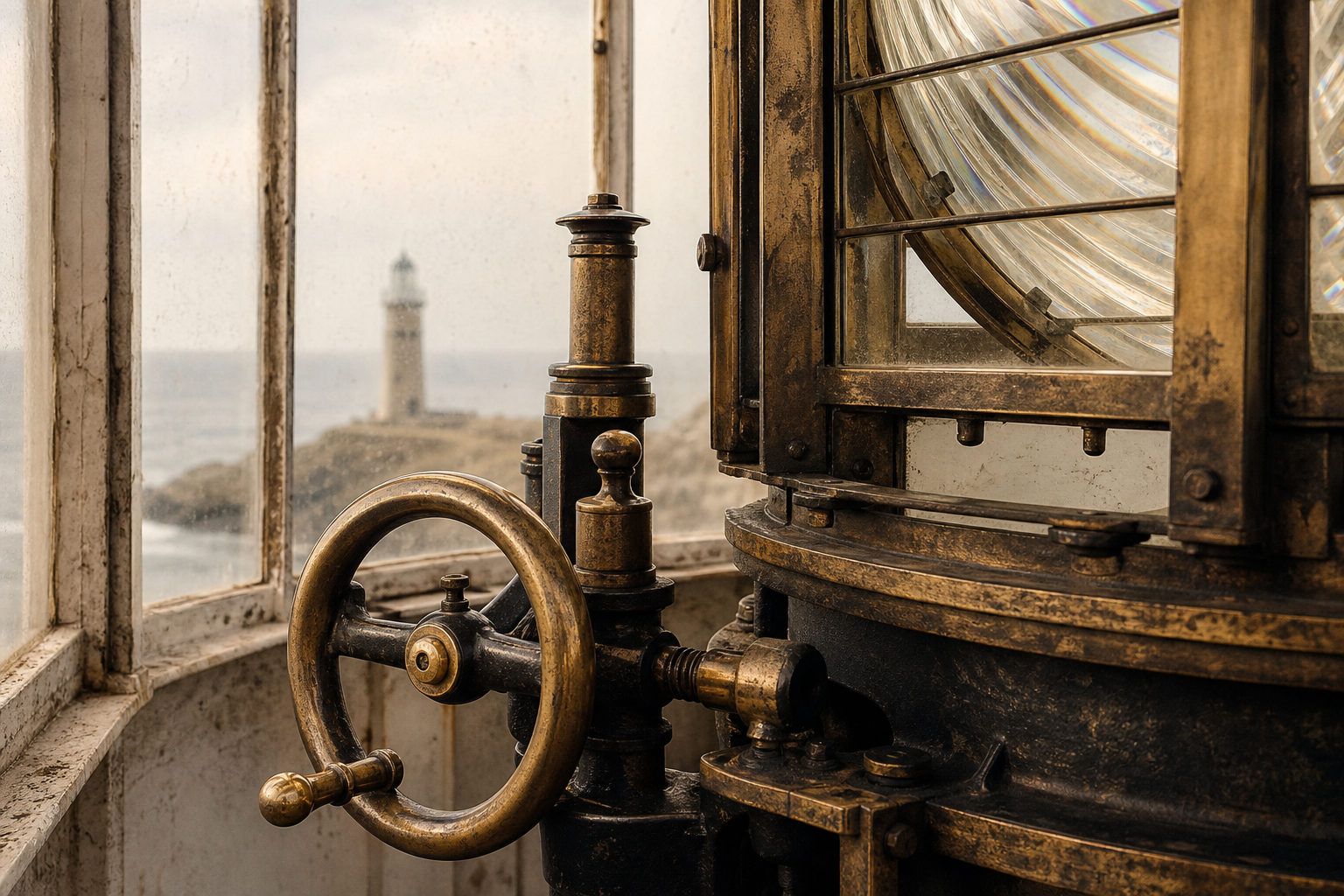
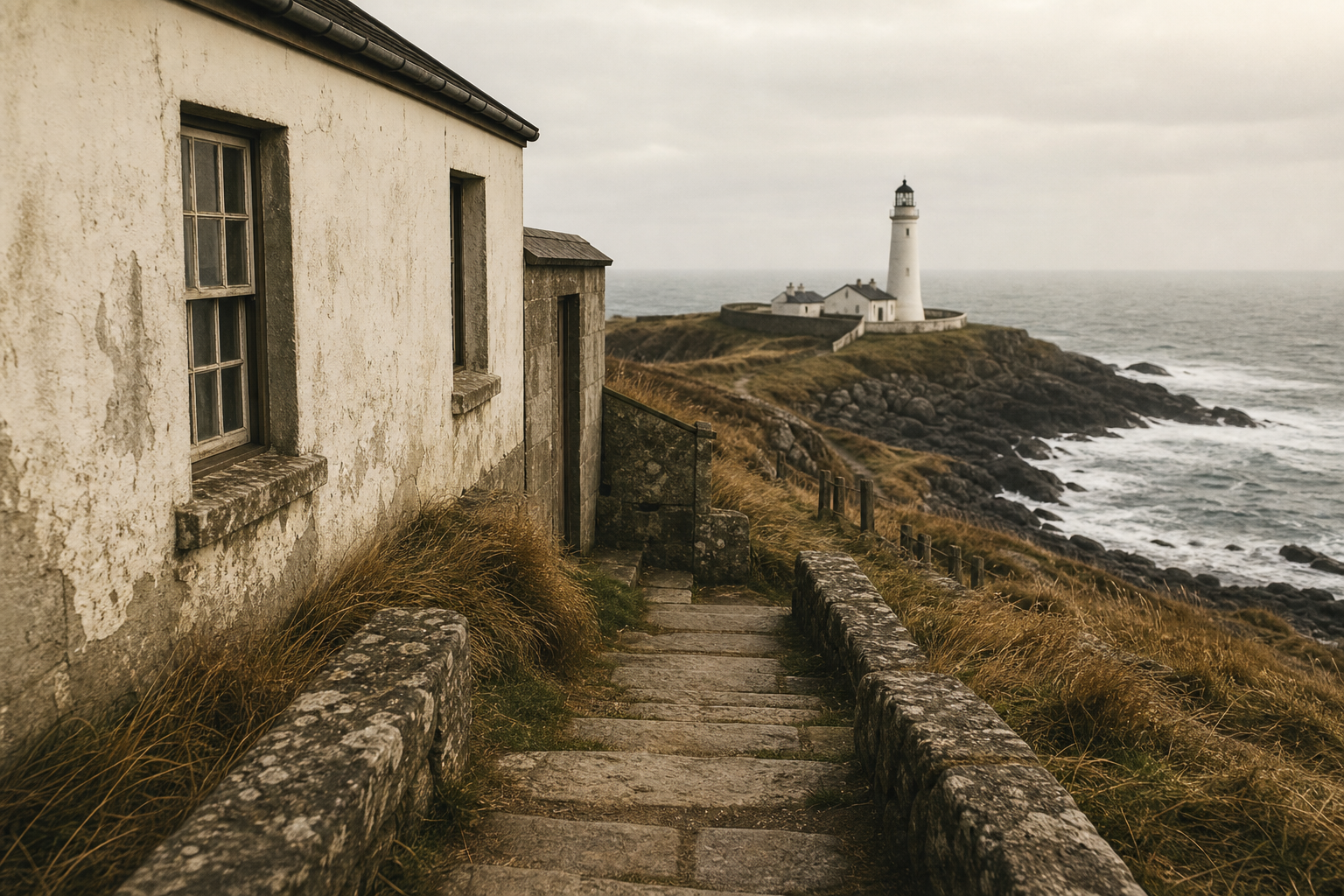
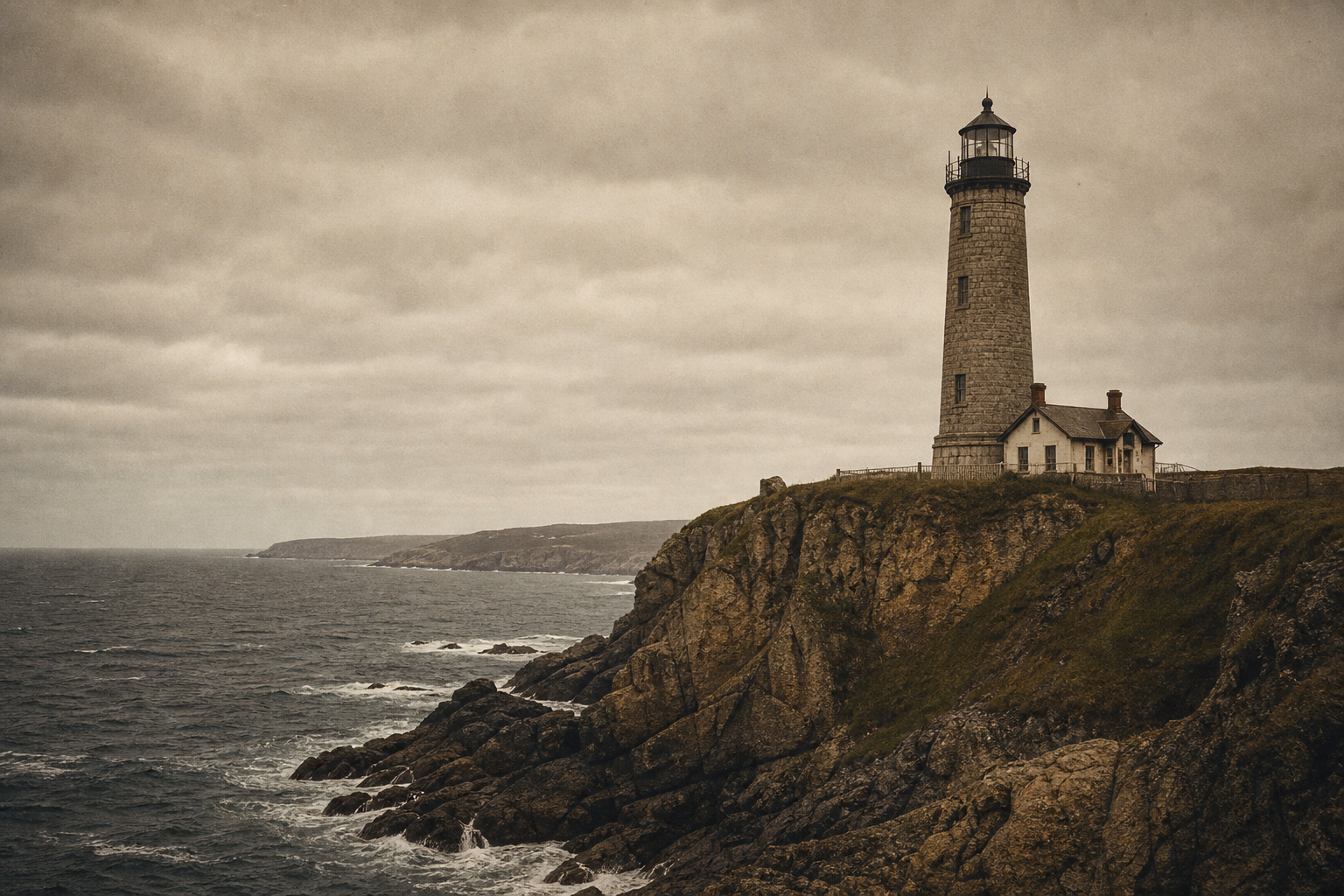
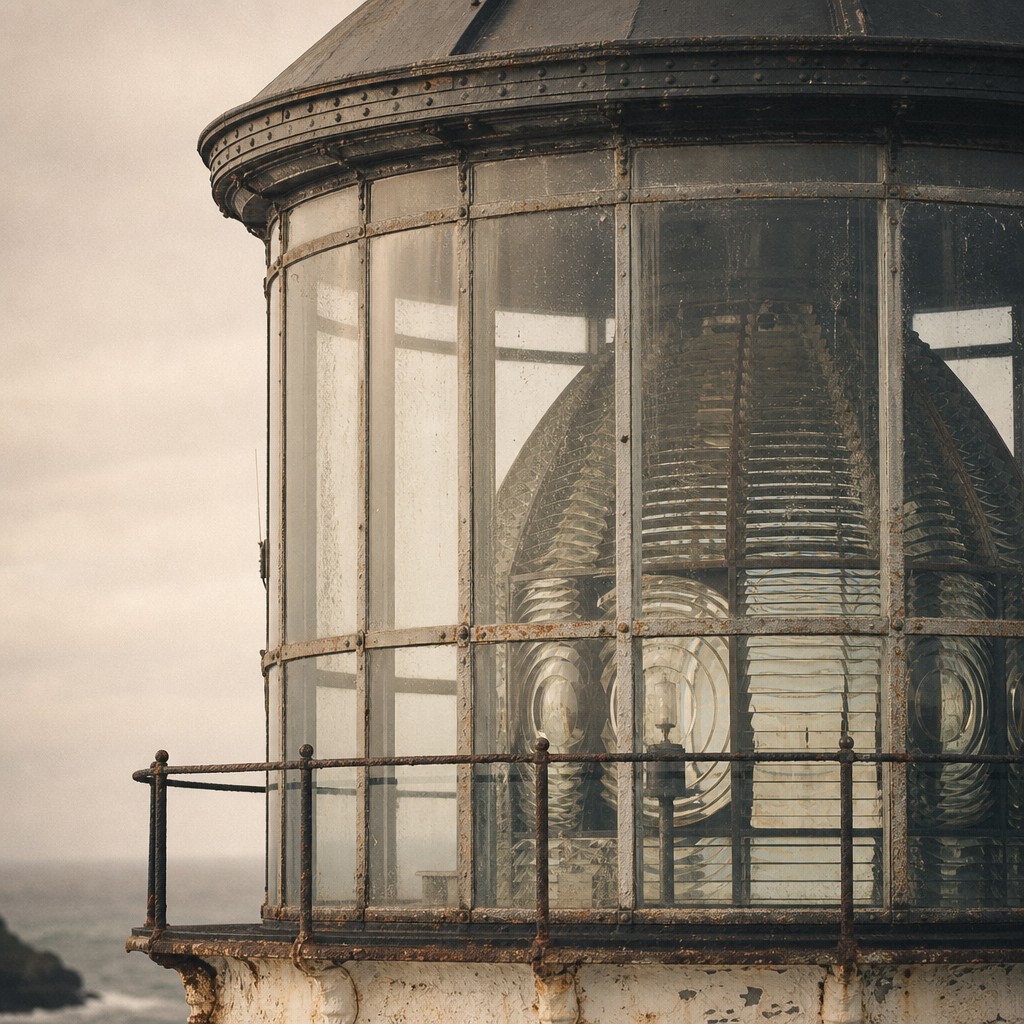
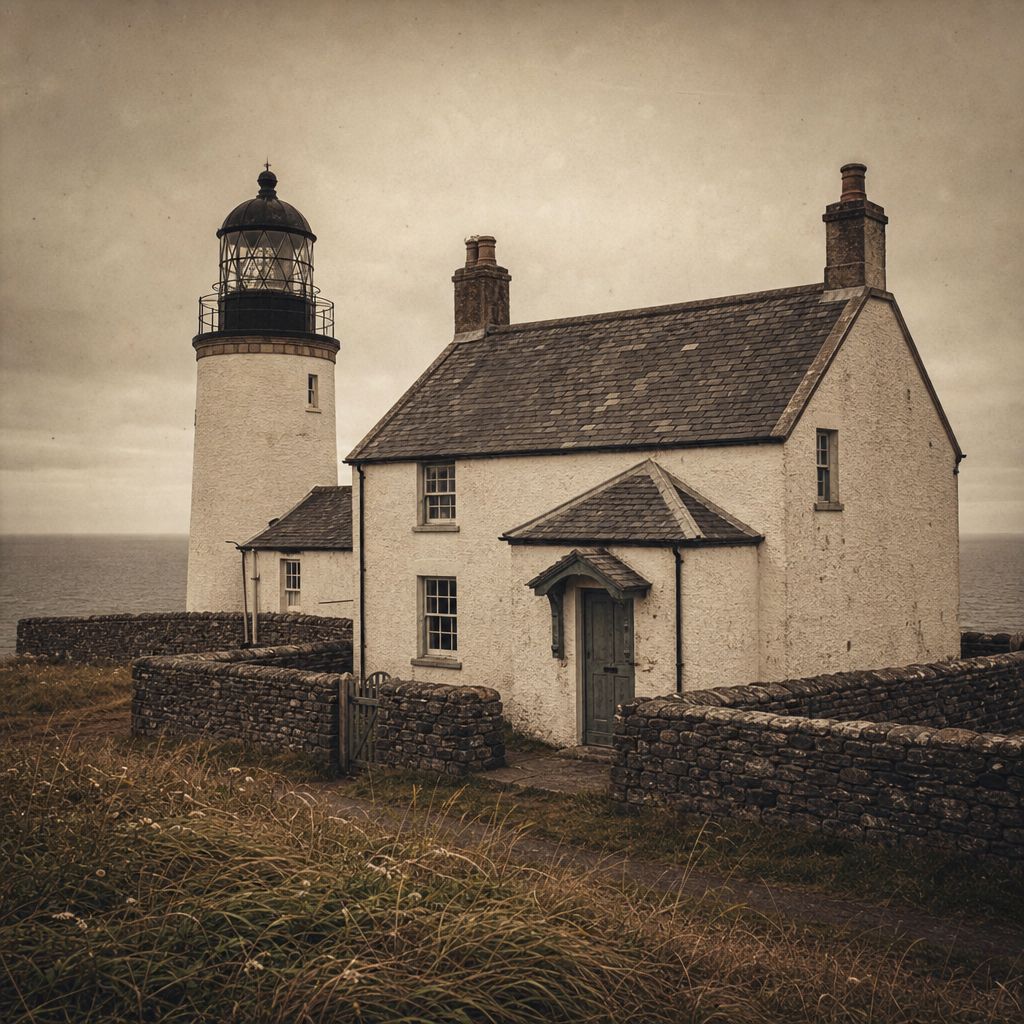
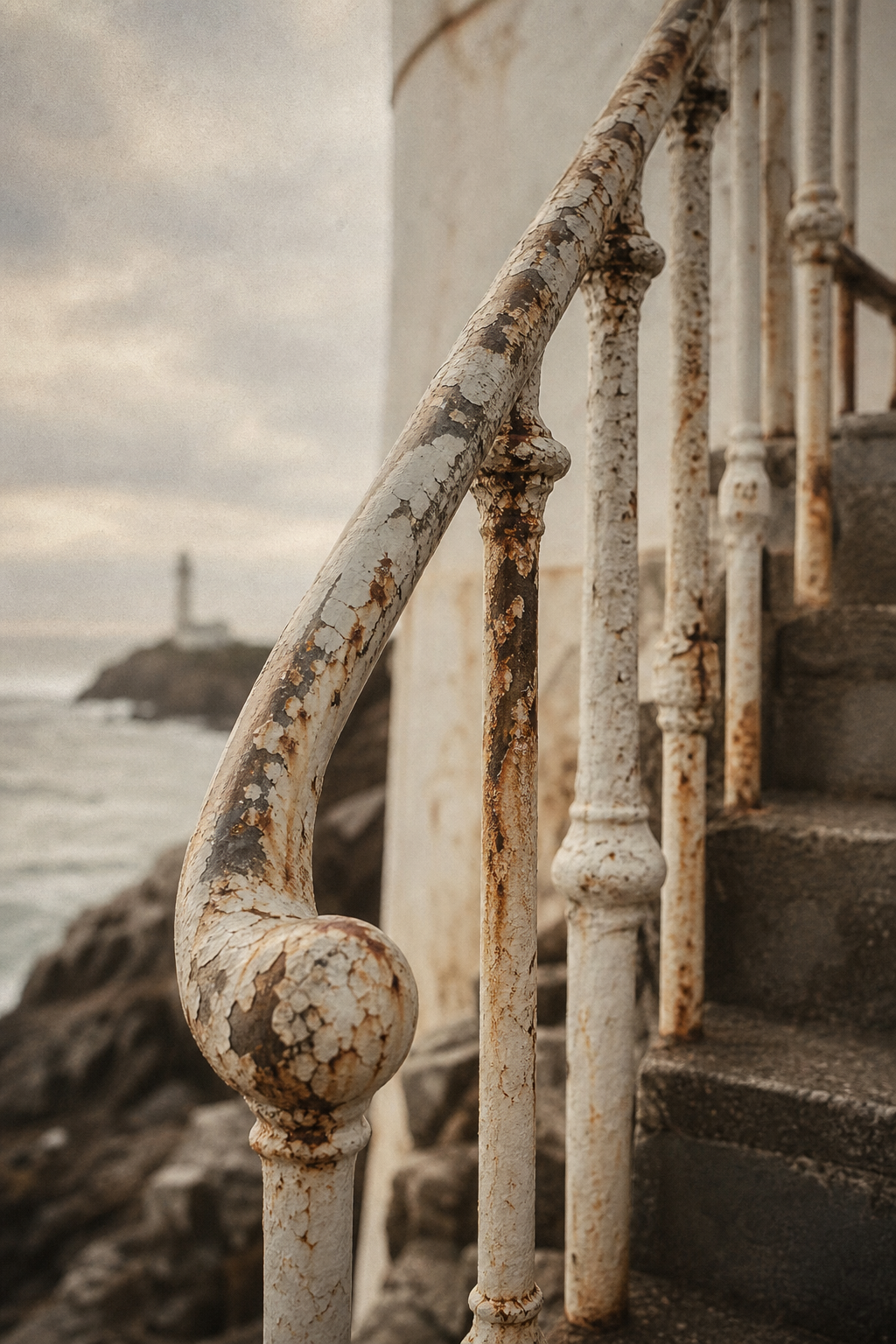
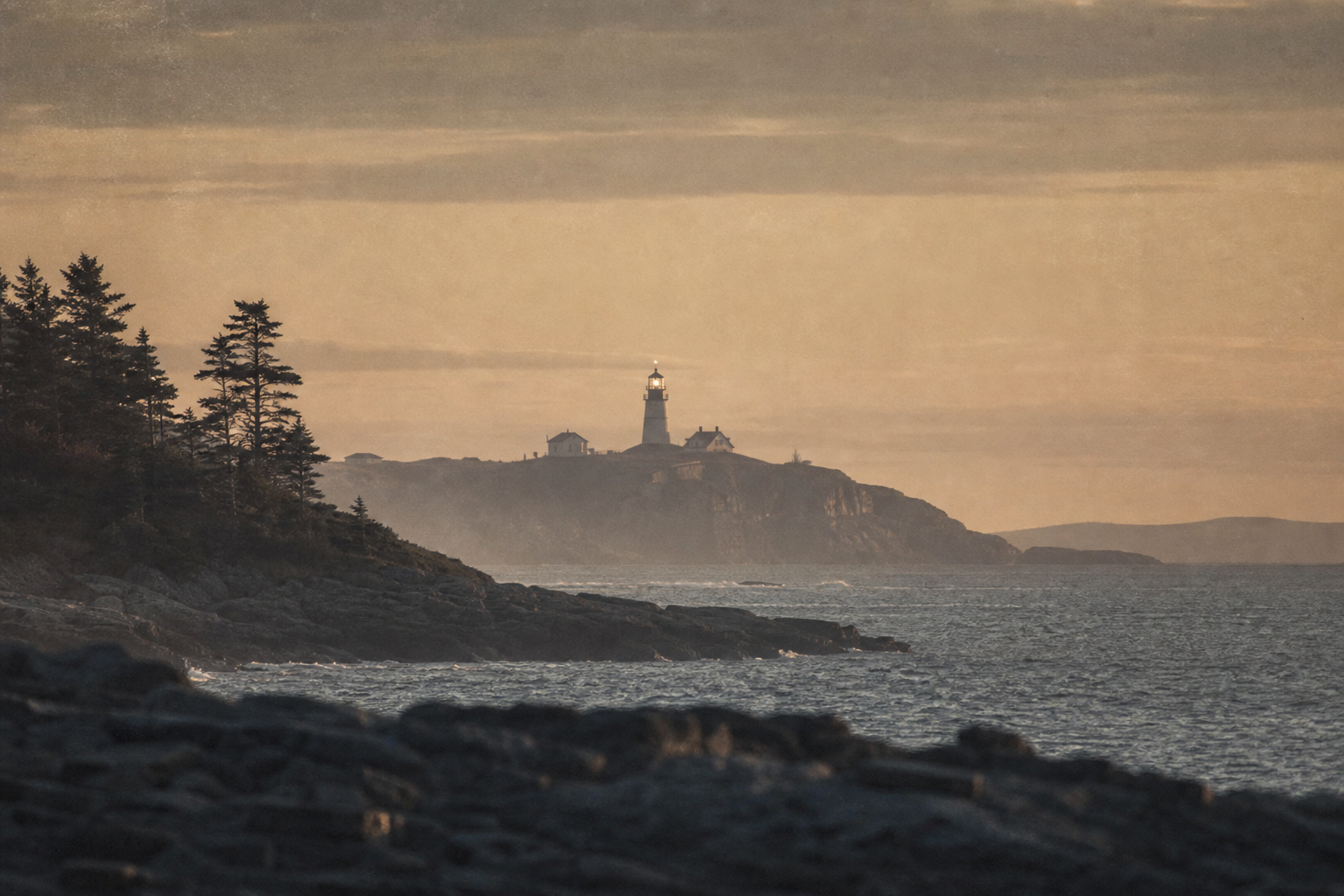
From lantern glass to cliff-edge silhouettes, these preserved details trace how light, weather, and daily keeper routines shaped the coastline’s maritime memory.
Visit & preservation FAQ
A quick reference to help you plan respectfully and get more from each coastal stop.